
How Private Practices Should Choose the Right Advertising Channels
Choosing where to advertise is one of the most important marketing decisions a private practice can make. With options like Google Ads, Facebook and Meta ads, YouTube, and traditional print advertising, it’s easy to spend money without seeing meaningful patient growth.
There is no universal “best” advertising platform for every private practice. The right channel depends on your specialty, patient demographics, services offered, and growth goals. Understanding how each advertising option works—and where it falls short—allows you to invest your marketing dollars more strategically.
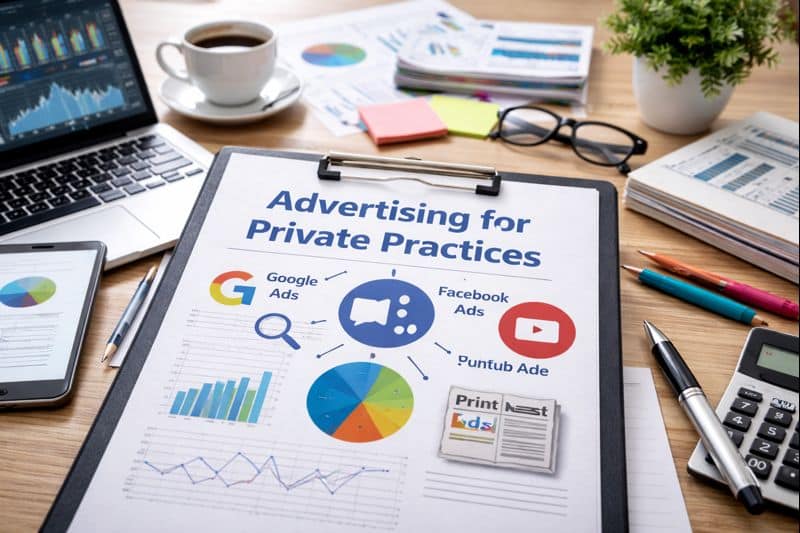
Below is a breakdown of the most common advertising channels for private practices, including the pros and cons of each.
Google Ads for Private Practices
Google Ads is often the most direct way to attract new patients because it targets people actively searching for care.
Pros
-
Captures high-intent patients searching for services now
-
Excellent for “near me” and urgent care searches
-
Strong tracking and measurable ROI
-
Can drive appointments quickly
Cons
-
Competitive keywords can be expensive
-
Requires ongoing optimization and management
-
Poor setup can result in wasted ad spend
Google Ads works best for practices that want immediate patient volume and have a clear understanding of their cost per new patient.
Facebook and Meta Ads for Medical Practices
Facebook and Instagram ads are powerful for reaching potential patients before they begin actively searching for care.
Pros
-
Advanced demographic and interest-based targeting
-
Lower cost per impression than search ads
-
Excellent for brand awareness and patient education
-
Strong retargeting capabilities
Cons
-
Lower intent compared to Google Ads
-
Requires compelling creative and messaging
-
Results often take longer to materialize
Meta ads are especially effective for elective services, long-term brand building, and staying visible in competitive local markets.
YouTube Ads for Healthcare Marketing
YouTube ads allow practices to build trust and credibility through video, which can be particularly effective for healthcare decision-making.
Pros
-
Builds familiarity and provider trust
-
Ideal for educational and explainer content
-
Strong retargeting opportunities
-
Scales well in larger markets
Cons
-
Requires quality video production
-
Lower immediate intent
-
Conversions can be harder to track
YouTube ads perform best when combined with other channels rather than used alone.
Print Advertising for Private Practices
Print ads—including newspapers, magazines, and direct mail—still play a role in certain communities and demographics.
Pros
-
Strong local presence
-
Trusted by older patient populations
-
Simple execution
Cons
-
Difficult to track ROI
-
Limited targeting options
-
Declining effectiveness in many markets
Print advertising is generally better suited for brand reinforcement rather than direct patient acquisition.
Other Advertising Channels: Radio, Display, and Sponsorships
Radio ads, display ads, and local sponsorships can increase visibility but rarely drive immediate patient bookings.
Pros
-
Broad reach
-
Enhances local brand recognition
Cons
-
Low intent
-
Hard to measure results
-
Often expensive relative to performance
These channels are best used selectively and strategically, not as a primary growth driver.
How to Choose the Right Advertising Mix for Your Practice
The most successful private practices align their advertising strategy with:
-
Patient demographics
-
Services offered
-
Budget and cash flow
-
Growth timeline
-
Internal tracking and reporting
Rather than relying on one channel, many practices see the best results by combining high-intent advertising (Google Ads) with awareness-based platforms (Meta and YouTube).
Why Local SEO Is the Foundation of Sustainable Growth
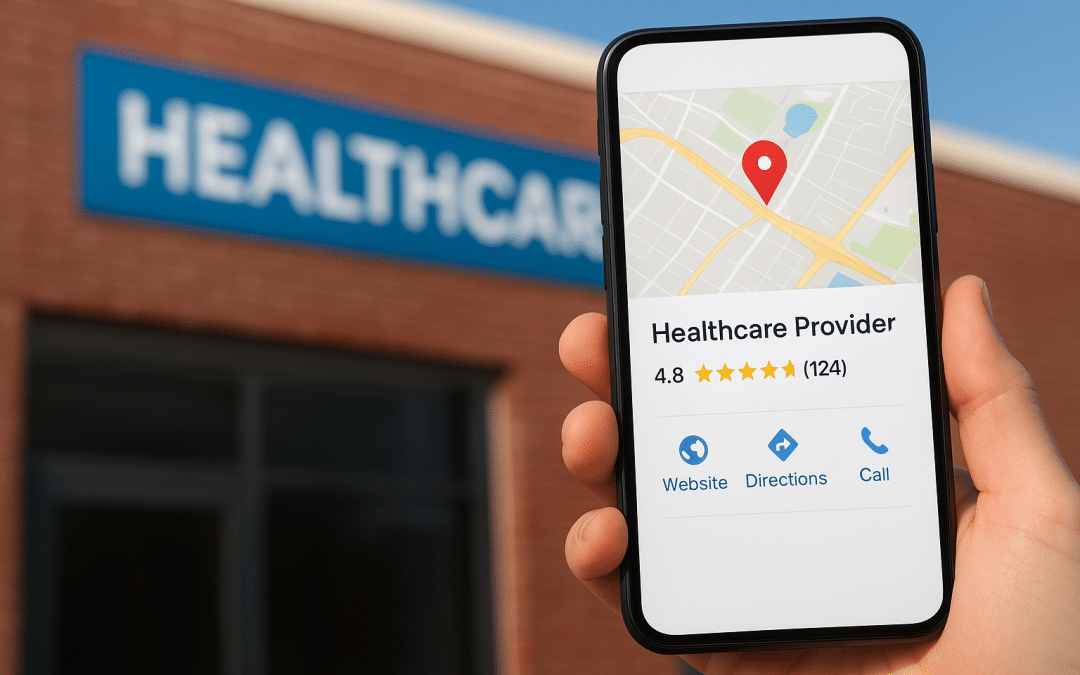
While paid advertising can generate quick visibility, local SEO is the long-term foundation of patient acquisition. Optimizing your Google Business Profile, improving local reviews, and strengthening on-site SEO helps your practice appear organically when patients search for care nearby.
Unlike paid ads, local SEO compounds over time—reducing dependence on ad spend while increasing trust, visibility, and credibility. For most private practices, the strongest marketing strategy pairs selective advertising with a well-executed local SEO plan.
Where You Spend Matter
Advertising decisions should never be made in isolation. Each platform serves a different purpose, and understanding those roles helps private practices avoid wasted spend while maximizing growth. Paid ads can drive short-term results, but sustainable success comes from aligning advertising strategy with financial goals, patient behavior, and long-term visibility.
Practices that take a thoughtful, data-driven approach to marketing are better positioned to grow profitably and adapt as competition increases.
Why Aspire Health Management?
If you’re unsure where your practice should be investing its advertising dollars—or whether your marketing spend is actually profitable—professional guidance can make a measurable difference. At Aspire Health Management, we help private practices evaluate marketing performance, align ad spend with financial goals, and build sustainable growth strategies.
Contact us today to schedule a FREE consultation and ensure your marketing investments are working for your practice—not against it.