
SEO for Doctors: Rank High in Google, Without Paying for Ads
In today’s healthcare landscape, your website is your digital front door.
If patients can’t find you online, they’ll find another provider who does appear on Google.
The good news? You don’t need paid ads to rank well. With the right strategy, your practice can attract a steady stream of new patients using organic SEO alone.
Below is a practical, doctor-friendly guide to ranking your medical practice on Google — without spending a dollar on ads.
What Is SEO for Doctors? (And Why It Matters)
SEO (search engine optimization) means improving your website so local patients can find you when they search for services you offer.
Examples of searches your patients are Googling:
-
“podiatrist near me”
-
“foot pain treatments in American Fork”
-
“best doctor for ingrown toenails”
-
“diabetic foot care specialist”
Ranking on page 1 means more appointments, more calls, and more visibility — especially for private practices competing with hospitals and large groups.

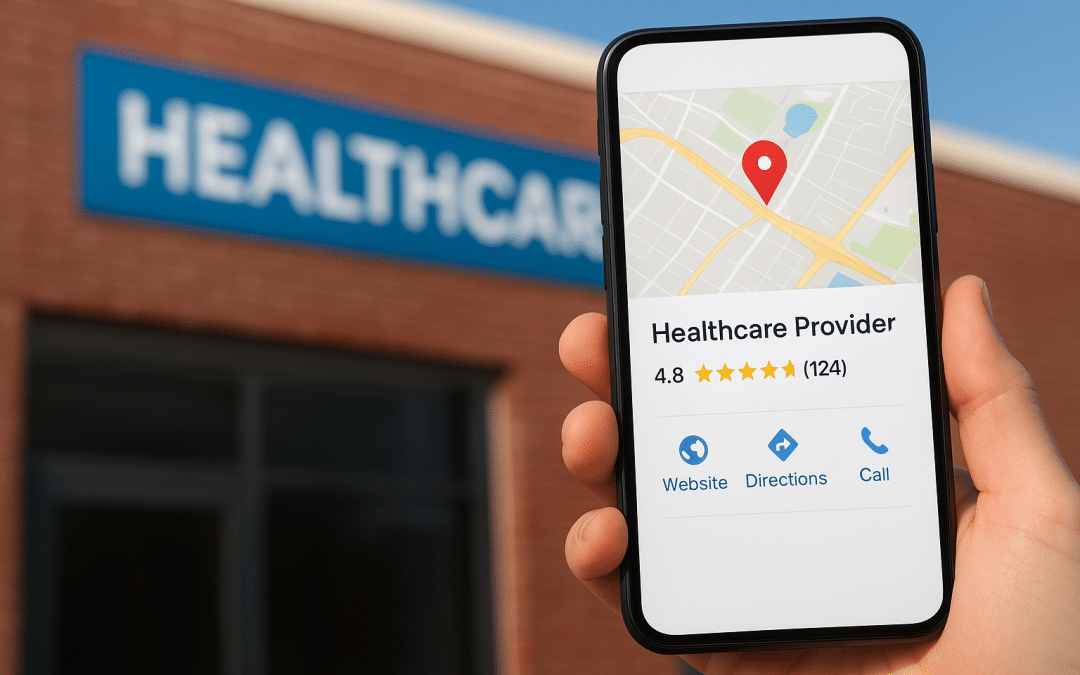
1. Optimize Your Google Business Profile (GBP)
Your GBP is often the first thing patients see — even before your website.
Actions to take:
-
Use your exact practice name (no keyword stuffing).
-
Add your real address, phone number, and website.
-
Upload 15+ high-quality photos of your practice, providers, and interior.
-
Choose accurate categories (e.g., Podiatrist, Medical Clinic, Foot Care Specialist).
-
Post an update weekly (Google likes activity).
Pro tip:
Ask for 2–3 Google reviews per week.
Small, consistent growth beats occasional large spikes.
2. Fix Your Website’s Core Pages (Your “Big 5”)
Google needs clear website signals. At minimum, ensure these five pages are optimized:
1. Home Page
Include:
-
What you do
-
Who you serve
-
Your location
-
A strong call to action (Book Now / Call Today)
2. Provider Page(s)
Patients want to know who they’ll see. Include:
-
Credentials
-
Areas of expertise
-
Professional photos
-
Personal details that build trust
3. Services Pages (One Page per Service)
Avoid listing 20 services on one page.
Google ranks specific, focused pages much better.
Examples:
-
Ingrown Toenail Treatment
-
Heel Pain Specialist
-
Diabetic Foot Care
-
Plantar Fasciitis Treatment
4. Contact Page
Add:
-
Embedded Google map
-
Click-to-call phone number
-
Hours
-
Parking information
5. Location Page(s)
If you have multiple locations, make separate pages for each.
3. Use Local Keywords Patients Actually Search For
You don’t need complicated keyword research tools.
Just think like a patient.
Best-performing keyword formulas:
-
“{specialty} + near me”
-
“{treatment} in {city}”
-
“best {specialty} in {city}”
-
“doctor for {symptom} near {city}”
Examples for podiatry:
-
“heel pain treatment near me”
-
“plantar fasciitis doctor in Salt Lake City”
-
“best podiatrist in Boise”
Use keywords naturally in:
-
Page titles
-
Headings
-
First paragraph
-
Image alt text
-
URLs
-
Meta descriptions
4. Post Helpful, Google-Friendly Blog Content Monthly
Google wants to rank websites that educate patients.
The best content answers the exact questions people type into search:
-
“Why does my heel hurt in the morning?”
-
“How to know if foot pain is serious?”
-
“Can a podiatrist treat toenail fungus?”
Blog topics Google loves:
-
Symptom explanations
-
Treatment guides
-
Before/after expectations
-
Home remedies (with disclaimers)
-
Insurance FAQs
Aim for 2 posts per month.
5. Make Your Website Fast & Mobile-Friendly
Patients browse on their phones while standing in the grocery store or sitting in their car.
If your site loads slowly, they will bounce.
Fixes:
-
Compress images
-
Avoid heavy animations
-
Use clear fonts
-
Ensure tap-to-call works
Google prioritizes sites that load in under 3 seconds.
6. Build Local Backlinks (Ethically & Easily)
Backlinks improve your trust and ranking.
Simple ways to get them:
-
Join your local Chamber of Commerce
-
Get listed on healthcare directories
-
Partner with local gyms, orthopedists, PT clinics
-
Sponsor small local events
Most provide a link to your website — pure SEO gold.
7. Track the Right Metrics (Not the Vanity Ones)
Most practices track:
-
Traffic
-
Clicks
-
Impressions
These are interesting…
…but they’re not the goal.
Focus on:
-
Calls generated
-
Appointment requests
-
Top pages patients actually visit
-
Which services get the most search traffic
This helps you double down on what works.
Final Thoughts: You Don’t Need Ads to Rank — You Need Strategy
Organic SEO is the most cost-effective, long-term way for doctors to grow their practice.
With consistent optimization and content, your practice can:
-
Rank on page 1
-
Increase call volume
-
Boost patient trust
-
Outperform competitors using ads
Let Aspire Health Management handle your SEO, marketing, and practice growth strategies so you can focus on what you do best — caring for patients. Schedule your free consultation today and start growing your practice the smart way!